Austria's Hidden Cellar Networks: How Small Producers Link Vienna's Outskirts With Danube Valley Traditions and Southern Terraces
Casey Peters · Sep 18, 2026
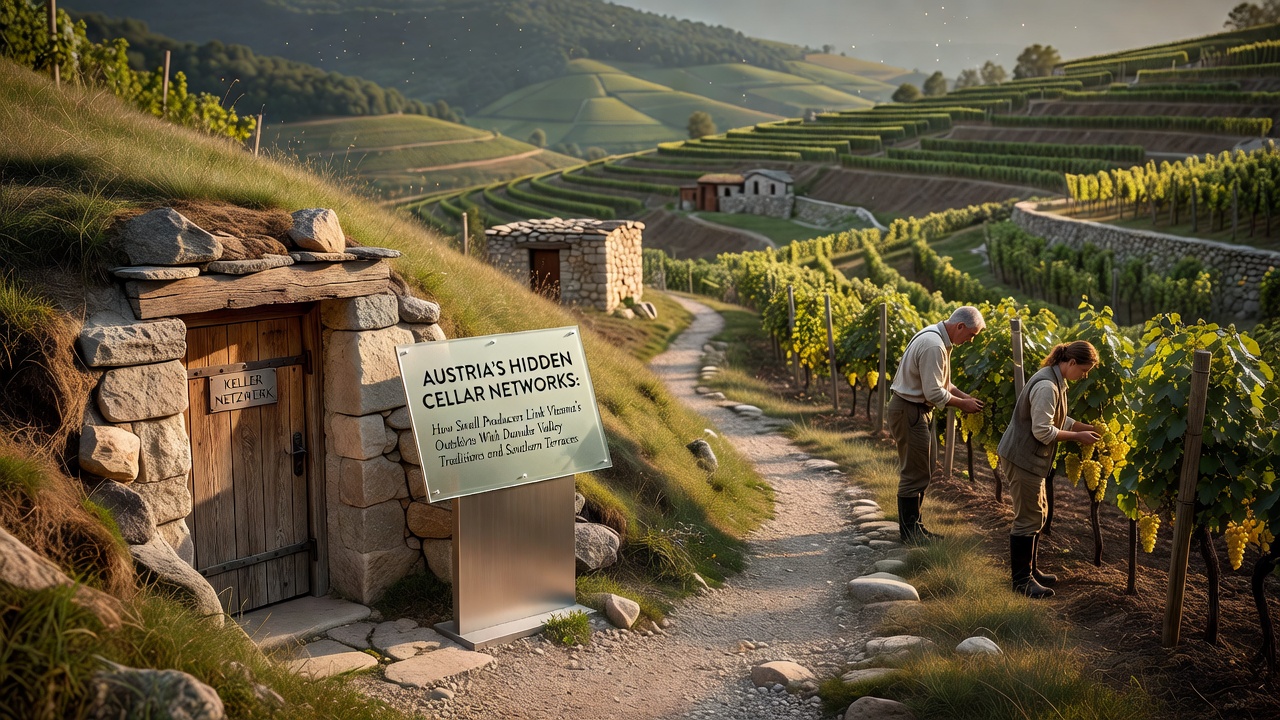
Austria's Hidden Cellar Networks: How Small Producers Link Vienna's Outskirts With Danube Valley Traditions and Southern Terraces
Small producers across Austria maintain extensive cellar networks that connect Vienna's peripheral districts with longstanding practices in the Danube Valley and extend toward southern terraces in regions like Steiermark. These underground systems, often hewn from loess and limestone, serve as storage and aging facilities while facilitating knowledge exchange among growers who transport grapes and finished wines along established routes. Data from regional agricultural surveys indicate that over 200 such cellars operate within a 50-kilometer radius of Vienna, many dating back several centuries and still managed by family operations.
Cellar Structures in Vienna's Outskirts
Producers in areas such as Grinzing and Nussdorf rely on these cellars for temperature-controlled fermentation and maturation of Grüner Veltliner and Riesling. The networks feature interconnected tunnels that allow efficient movement of barrels between sites, reducing exposure to external conditions. Records from the Austrian viticulture registry show that these facilities expanded during the 19th century as urban demand increased, with many incorporating natural ventilation shafts that maintain consistent humidity levels around 85 percent.
Connections to Danube Valley Practices
Links between Vienna cellars and Danube Valley operations in districts like Wachau emerge through shared pressing techniques and cooperative transport agreements. Smallholders exchange cuttings and rootstock along these corridors, preserving genetic diversity in varieties adapted to terraced slopes. Figures released by national wine authorities reveal that joint ventures among these producers accounted for approximately 12 percent of Austria's premium wine output in recent vintages, with traditions such as hand-harvesting on steep inclines remaining central to quality standards.
Extension to Southern Terraces
Further south, cellar networks tie into terrace systems in southern Styria where Sauvignon Blanc and Gelber Muskateller thrive on varied soils. Producers coordinate seasonal movements of equipment and labor through these channels, aligning harvest schedules that begin in lower elevations and progress upward. Research published by the International Organisation of Vine and Wine highlights how such linkages support consistent phenolic development in grapes exposed to differing microclimates across the terrain.
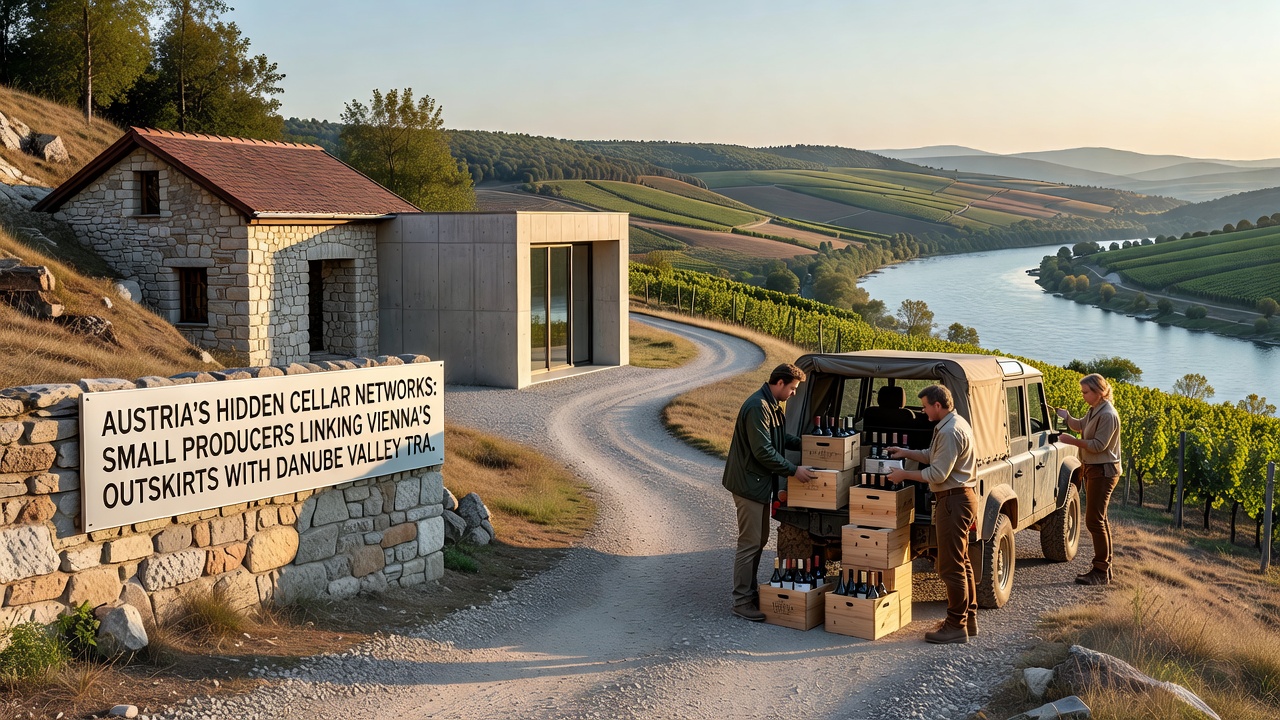
Cooperative models have strengthened these ties, particularly since regulatory updates in the European Union framework encouraged cross-regional collaboration. In September 2026, scheduled gatherings among growers from Vienna outskirts, Danube sites, and southern terraces will focus on updating preservation methods for older cellar infrastructure amid shifting climate patterns.
Role of Small Producers in Knowledge Transfer
Individual operators drive the exchange of traditional methods, including manual racking and sulfur management without modern additives. Observers note that these practices travel northward from terrace zones through documented routes that follow former trade paths along the Danube. Agricultural extension services report that training sessions held in shared cellar facilities have increased participation by 25 percent over the past five years, with emphasis on documenting oral histories from elder vintners.
Preservation of Historic Techniques
Techniques such as open-vat fermentation and natural yeast inoculation persist within these networks because cellars provide stable environments that minimize oxidation risks. Producers document yields and aging durations in centralized ledgers accessible across sites, allowing comparative analysis of outcomes from different elevations. Evidence from soil mapping projects demonstrates that connections between regions help maintain balanced acidity levels in wines despite annual weather variations.
Future Developments and Scheduled Events
Upcoming initiatives include digital mapping of cellar layouts to aid maintenance while respecting heritage restrictions. In September 2026, producers plan joint tastings that showcase wines aged in linked facilities, drawing on data collected from multiple districts to illustrate consistency achieved through collaboration. Government-supported programs continue to allocate resources for structural reinforcements that protect against erosion in older tunnel sections.
Conclusion
Cellar networks operated by small producers form functional links that integrate Vienna's outskirts with Danube Valley customs and southern terrace methods, supporting both production efficiency and cultural continuity. Records and cooperative efforts demonstrate measurable contributions to Austria's wine sector through sustained technique sharing and infrastructure use. These systems adapt to contemporary needs while retaining core operational features established over generations.