How Trade Routes Shaped Grape Selection Among Estates in Kamptal adn Southern Steiermark Zones
Yara Albrecht · Oct 30, 2026
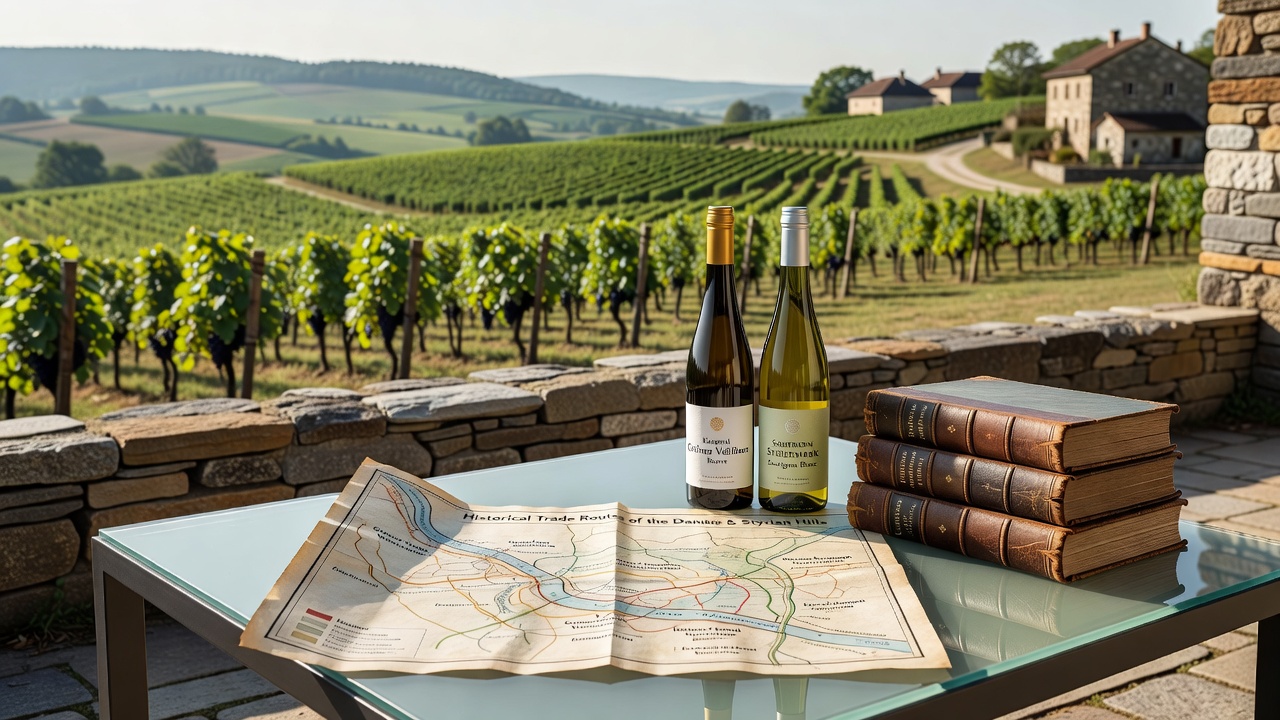
How Trade Routes Shaped Grape Selection Among Estates in Kamptal adn Southern Steiermark Zones
Trade networks crossing Central Europe carried grapevine cuttings, winemaking knowledge, and market demands that altered which varieties estates selected in the Kamptal and Southern Steiermark zones over centuries. Estates responded to shifting access points along overland paths from northern Italy through Alpine passes and routes linking Bohemia to the Hungarian plain, and these connections determined which plants survived transport and performed under local conditions.
Early Trade Corridors and Initial Plantings
Monastic orders and merchants moved plant material along established paths that avoided the main Danube corridor, and records from the 12th century onward document introductions of varieties that later became established in both regions. Southern Steiermark estates received material from Friuli and Carinthian routes while Kamptal properties accessed stock via routes extending toward Prague and Brno. These exchanges occurred before modern appellation rules existed, so selection depended on survival rates during transit and observed yields once planted.
Archaeological evidence and estate ledgers show that early plantings included both white and red varieties whose origins trace to warmer southern climates, and growers retained only those that ripened reliably in the cooler Kamptal terraces and the higher elevation southern Styrian slopes. Data compiled by the International Organisation of Vine and Wine indicate that variety movement across these corridors accelerated after the 15th century as urban markets in Vienna and Graz expanded.
Variety Adaptation in Kamptal Estates
Kamptal producers integrated vines that arrived via northern trade arteries, and Grüner Veltliner became dominant because cuttings from nearby Bohemian and Moravian sources performed consistently on the loess and granite soils. Estates also trialed red varieties transported from Hungarian markets, yet many failed to reach full ripeness and were replaced by whites better suited to the longer autumns typical of the region. Observers note that selection patterns followed the seasonal timing of merchant caravans, which delivered new material in spring when planting windows aligned with trade fairs.
Soil and Climate Filters on Incoming Stock
Local conditions acted as filters on traded material, and only cuttings that tolerated the diurnal temperature swings common in Kamptal valleys persisted into commercial production. Historical accounts describe repeated trials of varieties sourced from warmer zones that ultimately gave way to locally adapted selections after several growing seasons. Those who've studied estate archives find that successful introductions often came from intermediate locations rather than direct long-distance shipments.
Developments Across Southern Steiermark
Southern Steiermark estates drew material through passes connecting to Slovenian and Italian territories, and Sauvignon Blanc plantings increased after 18th-century exchanges that brought cuttings from regions already cultivating the variety. The higher rainfall and steeper slopes filtered which arrivals succeeded, and estates retained aromatic whites that matched the cooler ripening periods. Records indicate that red varieties arriving via the same routes declined in favor of whites once market preferences in Graz and Ljubljana stabilized around lighter styles.
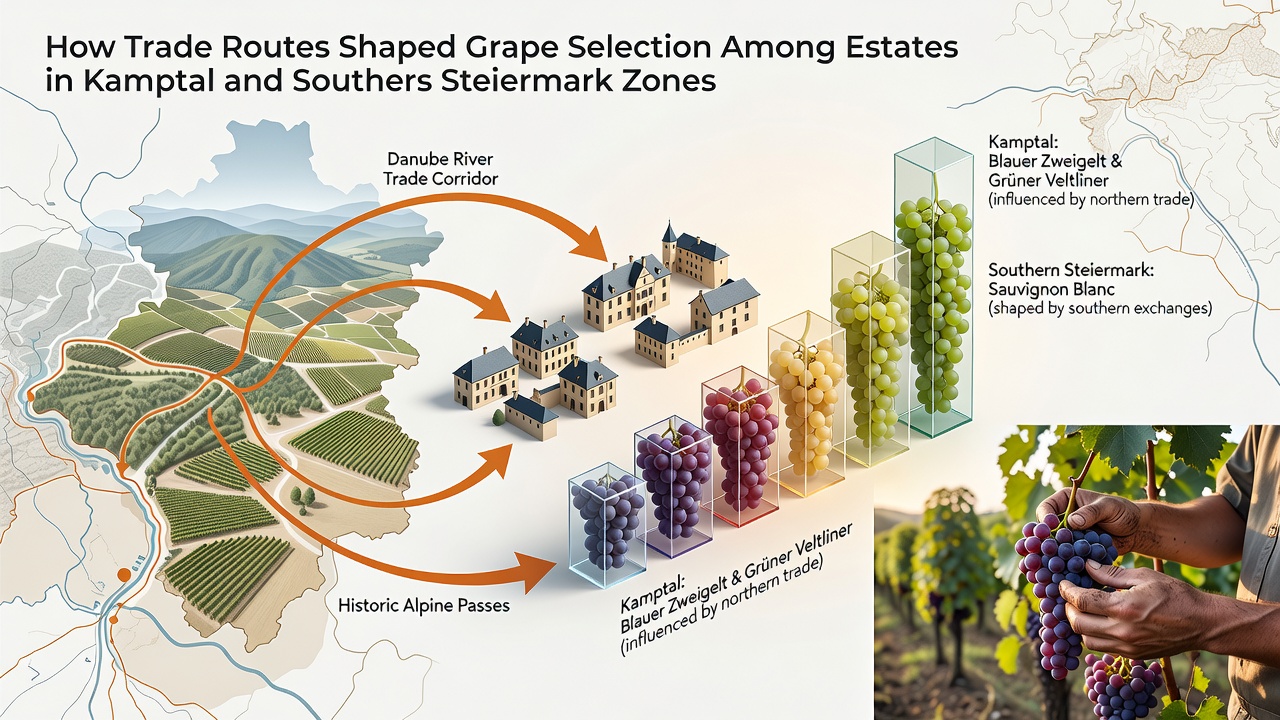
Cooperative records from the 19th century document joint purchases of plant material by multiple estates, which reduced individual risk and spread successful varieties more quickly across the zone. These shared acquisitions followed established merchant schedules that peaked before harvest, allowing estates to assess performance before committing larger areas.
Market Signals and Continued Selection
Urban demand centers transmitted preferences back along the same routes that originally delivered the vines, and estates adjusted plantings in response to price differentials reported by traders. Kamptal properties increased white variety acreage when northern buyers showed consistent interest, while Southern Steiermark growers expanded plantings that aligned with southern city preferences. Research from the European Commission's agricultural archives shows these feedback loops operated for generations before regulatory frameworks standardized variety lists.
One study of estate correspondence revealed that timing of shipments often determined which new arrivals were tested first, since material arriving too late in the season faced higher failure rates during establishment. Estates therefore prioritized varieties known to root quickly when planning orders through merchant networks.
Patterns Observed into the Present
Current plantings in both zones reflect cumulative decisions made along historical routes, and genetic surveys confirm that many dominant cultivars trace to introductions predating the 20th century. Estates continue to reference older records when evaluating new material, and variety trials still consider transport resilience alongside local performance metrics. In October 2026 the Kamptal-Steiermark Viticultural History Conference will present updated mapping of these trade-related introductions using newly digitized ledger collections.
Conclusion
Trade routes supplied both the physical material and the economic incentives that guided grape selection across Kamptal and Southern Steiermark estates for centuries. The resulting variety distributions emerged from repeated filtering by climate, soil, and market access rather than centralized planning. Contemporary producers inherit these layered decisions, and ongoing research continues to map how earlier corridors shaped the current landscape.